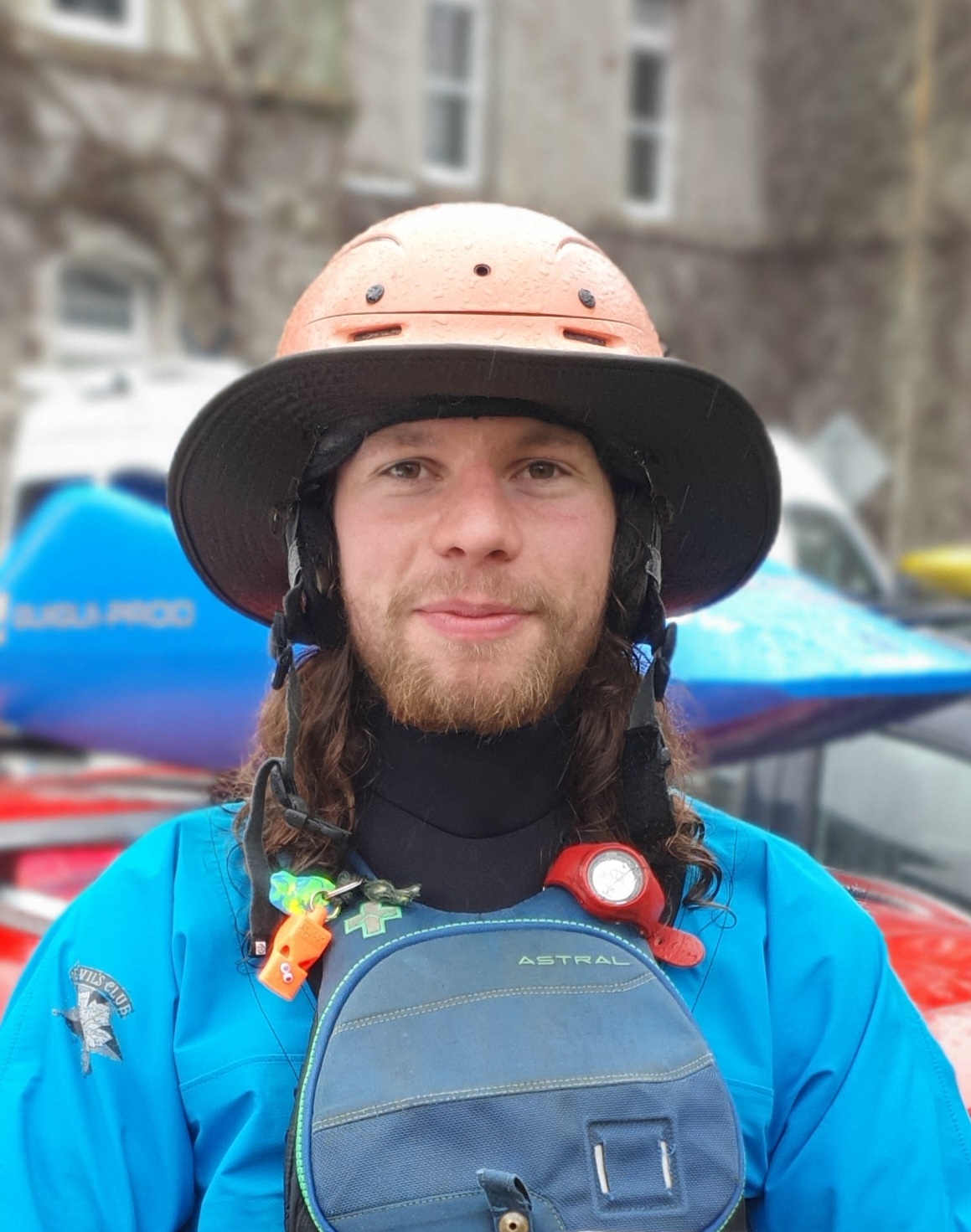
As the saying goes, “There’s no such thing as bad weather, only unsuitable clothing.”
At London Kayak School, we believe the fun doesn’t stop when the temperature drops. Summer gives way to cool crisp mornings, a touch of frost on the ground, stunning scenery and autumn colours. There’s no reason to stop kayaking on the Thames. In fact, winter paddling offers some of the best opportunities for progression and skill development. The rivers rise, the waves come in, and you’ll see our White Water Progression Programme crew out on some of the UK’s lesser-paddled rivers, whilst our freestylers are looking forward to throwing big tricks on the waves of the Thames weirs.
Here is our guide to gear and layering, with handy hints and clothing to suit every need and budget. We want to ensure you stay comfortable and ready to enjoy the water, whether you’re just going out for a chilled flat water paddle, or you intend to be upside down all winter long whilst learning those freestyle tricks!
Layering
Kayaking is an active sport, so multiple layers are always better than one thick layer. We recommend using up to three layers to trap heat and manage moisture.
1. Base Layer: The Foundation (Keep it Snug)
This is worn right against the skin to wick moisture away. Even in winter, you sweat, and if that sweat stays cold… you’ll freeze.
- Recommendation: Synthetic thermal tops and leggings. We still recommend basic options like the thermal base layers from Decathlon. They are hard to beat for value for money and work perfectly underneath your kit.
- What we wear: Our instructors use quality synthetic thermals year-round. In summer, it’s often just this layer; in winter, it’s the starting point to layer up from. These are the tops we wear.
2. Mid Layer: The Insulation (Keep it Warm)
This layer traps warm air close to your body.
- Recommendation: A good fleece top or synthetic mid-weight pullover. It should be well-fitted (not baggy) so it doesn’t bunch up inside your waterproof layer. These should be without a collar if you’re wearing a drysuit or dry top. The warmest we’ve found is the Sandiline Polartec. For a great budget alternative, try a basic fleece from Decathlon
- Layering Tip: Don’t be afraid to double up your leggings or add a second, thinner fleece on particularly cool days!
3. Outer Layer: The Shell (Keep it Dry)
This is your protection from wind and water. Keeping the wind off is key to dramatically reducing wind chill.
- Waterproof Layer (Budget Start): A simple windproof and waterproof cagoule is the perfect entry point. Even if it’s not completely waterproof, by keeping the wind off, it will greatly reduce windchill. Something like this.
- Dry Top (Commitment Gear): If you plan to paddle through the full winter and know this is the sport for you, then we highly recommend investing in a dry top with latex seals. We personally love the gear from Immersion Research which our coaches use day in, day out, and lasts. You can find their stock via our friends at Radical Rider. We’d also recommend brands such as Peak and Palm if you are just starting out. Palm does a whole range of specific kids gear, like the Rocket range. You can often try these on at White Water the Canoe Centre which is the nearest shop to our base in Brentford.
Wetsuits & Drysuits Explained – Taking it up a Notch!
Wetsuits: A wetsuit is great for keeping the wearer warm even once they are wet. We recommend pairing it up with a cag for wind protection. For kayaking on the Thames, we recommend a “long john” style wetsuit, which gives you more flexibility in the arms, but you’ll want to pair this style with a well-fitting thermal and fleece top. Wetsuit technology has moved on and you can find some bargains out there. Advanced suits offer different neoprene thicknesses, thinner on the arms and legs for freedom of movement and thicker on the body for core warmth.
Drysuits: Drysuits are the ultimate in dry-wear, designed to keep you and your clothing completely dry. Crucially, they only keep you warm by what you wear underneath! So you’ll still need those toasty layers to pair with the suit.
Immersion Suits: We have a range of “immersion suits” in Brentford for participants to use. These are similar to a drysuit but have looser seals on the arms and neck and come without a spraydeck tunnel (better suited to flat water). They are a good compromise but not as effective as a full drysuit.
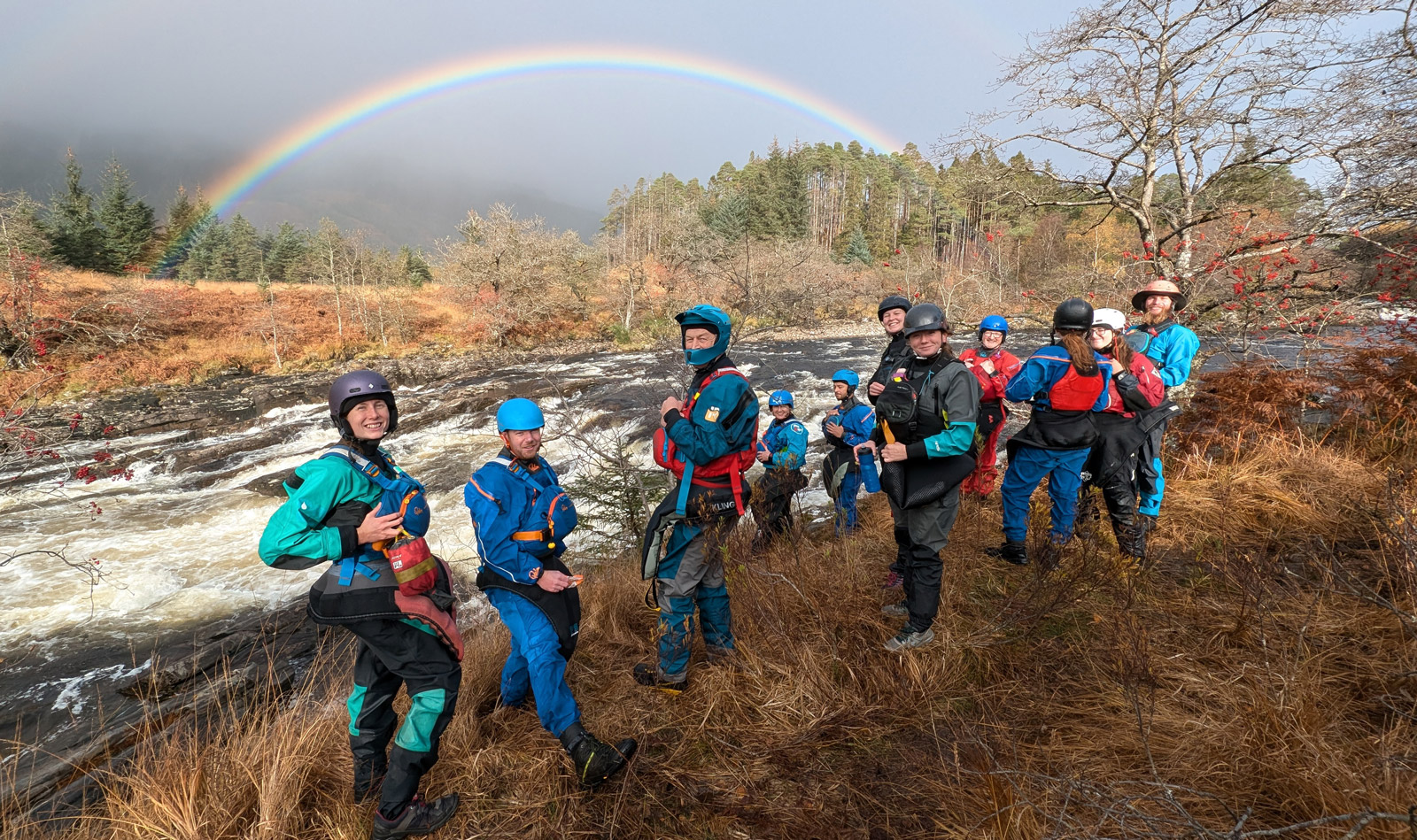
Essential Contact Points: Head, Hands & Feet
Keeping your core warm is vital to keeping you comfortable, but don’t forget about your hands and feet.
Footwear
Footwear should be flexible and low-profile to fit inside a kayak comfortably.
- Recommendation: Neoprene boots. We often recommend a 3mm or 5mm neoprene boot, like the affordable options found at Decathlon. We’ve got plenty of pairs onsite for people kayaking on the Thames in Brentford.
- Fit Tip: The adjustable straps on some boots are useful, but please ensure they’re properly fitted. It’s surprising the sheer number of poorly fitted shoes that go missing each season!
- Socks (Wet Feet): Neoprene socks are a good pairing to wear inside our neoprene boots; they come in a variety of thicknesses and fittings.
- Socks (Dry Feet): If you’re bored of getting wet feet, do we have some exciting news for you! Sealskinz SOCKS! These waterproof socks are a game-changer for regular paddlers and you can often find discount codes online for them.
- Advanced Footwear: For those going further afield in a creek boat as part of our adult white water development weekends, neoprene booties no longer cut the mustard. We recommend specialised river boots, such as this fantastic range from Palm. For our coaches, we wear high-grip, supportive shoes often used for mountain biking, like the Adidas Five Ten range, for clambering over rocks and running hillsides.
Headwear
You lose a huge amount of heat through your head.
- Recommendation: Always wear a hat when you’re kayaking on the Thames in winter! A simple insulated bobble hat (if you’re not wearing a helmet) or thermal beanie works wonders. For maximum warmth and dryness, companies like Sealskinz offer waterproof hats.
Hands
If your core is warm enough, you often don’t need gloves which can interfere with your grip and paddle control.
- Recommendation: We prefer Pogies. These neoprene sleeves attach to your paddle, creating a warm, windproof pocket for your hands while allowing you to maintain a direct grip on the paddle shaft. Brands like Lomo are a great place to start.
Spraydecks
For those kayaking on the Thames who have completed a capsize test and spraydeck training, or our white water kayakers looking for something more robust that’ll keep them dry we recommend a variety of spraydecks.
We have nylon decks on site. Whilst great for beginners, once you’re comfortable with using one, we recommend participants purchase their own neoprene decks for better performance and dryness. For you to be able to choose one that’s right for you, you’ll need to know which boat you paddle to pick the right deck size. Handily IR has a spraydeck fit guide.
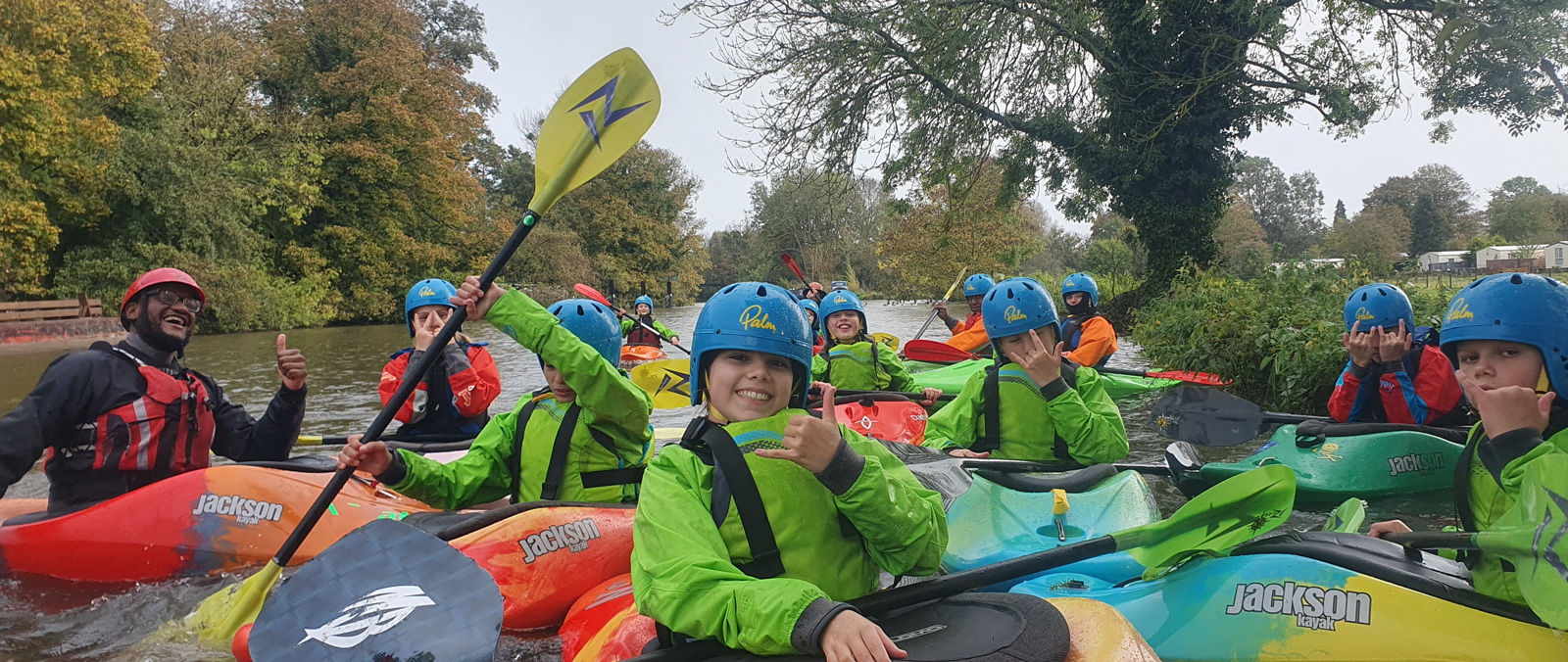
Final Thoughts & Where to Buy
We use a wide range of suppliers to get the best value and quality for our canoe club members:
- White Water Gear: For the best selection of specialist white water kayaking gear (including drysuits and high-end paddlesport clothing), we use Radical Rider in North Wales, the UK stockist of Immersion Research.
- Local Try-On: We also highly recommend both Kent Canoes and White Water the Canoe Centre as the closest specialist shops to our Brentford base.
- Best Value Base: For reliable and affordable thermals and budget neoprene, Decathlon remains our go-to recommendation.
If you have any questions about fitting, specific kit, or drysuits, please contact me (Mike) directly, I’m always happy to advise.
Note: none of the links in this blog are affiliate links, they’re all recommended purely because we think they’re the best options for you!